
Who this is for: brand owners, importers, sourcing teams and product owners who are comparing Southeast Asian suppliers for an injection molding program. Some buyers have a complete drawing pack; others have a design and need help understanding what the factory needs.
Quick answer
Southeast Asia is not one supplier market. Thailand, Vietnam, Malaysia and Cambodia have different industrial bases, mold ecosystems, cost structures and audit profiles. The useful question is not “which country is best” but “which country fits this part, volume, compliance requirement and destination”.
Cambodia's place in the region
Cambodia is in mainland Southeast Asia, west of Vietnam and east of Thailand, with Laos to the north. The Everest factory is in Kampong Speu province, in western Cambodia, with road access toward Phnom Penh and the Sihanoukville port corridor. That location is relevant for material imports, mold transfer and export planning.
How the four countries differ
| Country | Strongest role | Typical buyer question | Main limit |
|---|---|---|---|
| Thailand | Automotive and electronics clusters; local engineering and mold capability | Can the supplier meet automotive-level documentation and local engineering support? | Higher cost base; less focus on labor-intensive manual assembly |
| Vietnam | Scale, consumer goods, electronics and a deeper mold base than Cambodia | Can the supplier handle high volumes and a mature local supply chain? | Rising costs; larger suppliers may require high volumes |
| Malaysia | Electronics, medical devices and English-speaking project teams | Can the supplier support medical or electronics programs with a mature local ecosystem? | Higher cost base; strong local competition for medical work |
| Cambodia | Labor-intensive assembly, China mold transfer, retail compliance and China-plus-one production | Can the supplier pass a retail audit and handle painting, printing and assembly in-house? | Smaller precision mold base; some materials and components imported |
How to shortlist across countries
- Define the part and volume. A complete drawing, material, tolerance and annual volume makes quotes comparable. If the design is incomplete, start with product photos, use, approximate size and expected quantity.
- Confirm the production country and factory. Ask for the factory address and which processes happen there. Do not accept a country label as a substitute for a factory audit.
- Separate tooling from production. Ask where the mold is designed, built, tried and maintained. Some factories import complex molds even when production is local.
- Check secondary operations. Painting, printing, welding and assembly can be in-house or subcontracted. Confirm the control plan.
- Verify audit evidence. Ask for the current social compliance and factory capability reports, including scope and date. Everest holds Sedex SMETA 4-Pillar and FCCA Follow-Up PASS, score 84 (28 August 2026).
- Compare total landed cost. Include material imports, packaging, freight, insurance, brokerage and origin rules. Do not compare only piece price.
Where Everest fits
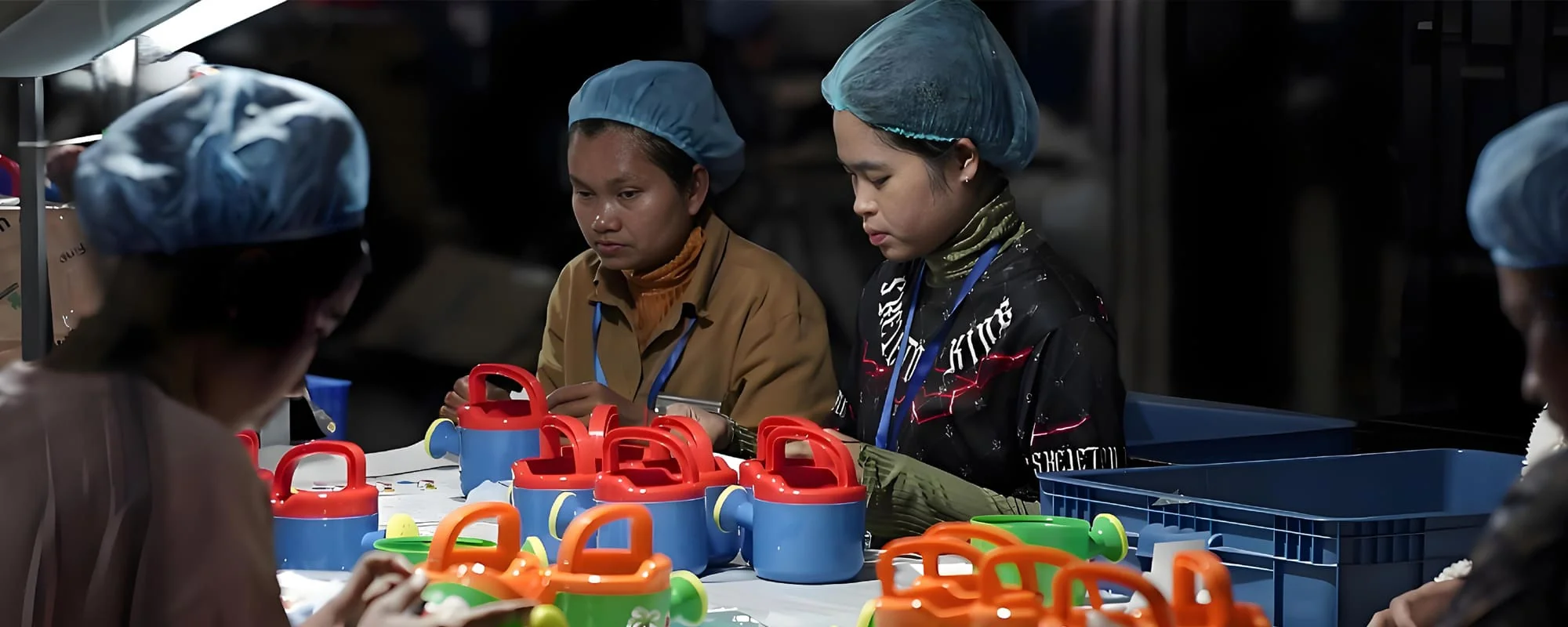
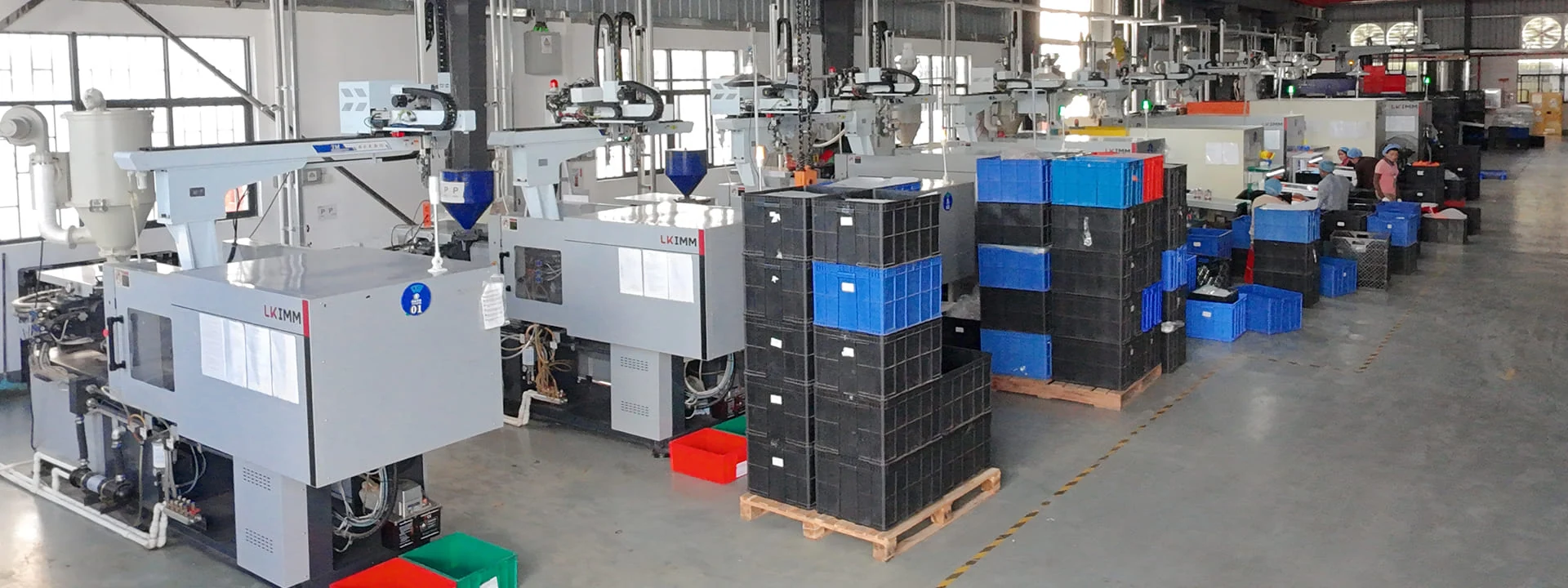
Everest Plastic Mold operates in Cambodia only. The factory lists 16 injection molding machines from 80T to 1000T, about 4,500 m² of production area and overall capacity of about 200,000 pieces per month. In-house operations include injection molding, assembly, spray painting, UV coating, rubber-oil soft-touch coating, pad printing, silk-screen printing, hot stamping and ultrasonic welding. China Tooling Support is provided from Shenzhen by our China company JR Plastic Mold, which has in-house mold manufacturing and large-volume injection molding capability.
This model fits buyers who need a Southeast Asia production base with audit evidence and manual finishing, while keeping complex tooling in a deeper mold cluster. It is not a claim that Everest has factories in Thailand, Vietnam or Malaysia, and it is not the right fit for every project.
When Cambodia is the wrong choice
If the project needs ultra-precision tooling, very large multi-cavity molds, same-week local mold iterations or a local mold supply chain, China, Thailand or Vietnam may be a better first comparison. Cambodia is stronger for labor-intensive assembly and programs that can plan mold and material lead time.
Next step
Send the drawing, material, annual volume, current mold location and destination market. If the design is not complete, send product photos, intended use, approximate size and expected quantity so the engineering team can identify what is needed next. A formal quote requires a defined part and volume.
Related guides: plastic injection molding companies in Cambodia, Asia supplier comparison, Thailand vs Vietnam vs Malaysia vs Cambodia, Southeast Asia production base and China Plus One.
Frequently asked questions
Is Southeast Asia one supplier market?
Which Southeast Asian country is best for injection molding?
Does Everest have factories in Thailand, Vietnam or Malaysia?
Can Everest handle painting, printing and assembly?
What audits does Everest hold?
How do I compare quotes across countries?
When is Cambodia not the right choice?
Can South Asian buyers use a Southeast Asia supplier?
Compare a Southeast Asia production program
Send the drawing, material, annual volume and destination market.