
Who this is for: buyers who are deciding between Thailand, Vietnam, Malaysia and Cambodia for a plastic injection molding program. This page is a decision aid, not a ranking. It separates general industry characteristics from Everest's own capabilities.
Quick answer
The four countries are not at the same level. Thailand and Malaysia have mature industrial ecosystems with higher cost bases. Vietnam offers scale and a deeper mold base than Cambodia. Cambodia is smaller and has a less developed precision mold cluster, but can be competitive for labor-intensive assembly, China mold transfer, retail compliance and China-plus-one production. Choose by the part, tooling complexity, audit requirements, volume and destination, not by a single country label.
Cambodia's location
Cambodia is in Southeast Asia, west of Vietnam and east of Thailand, with Laos to the north. The Everest factory is in Kampong Speu province, in western Cambodia, with road access toward Phnom Penh and the Sihanoukville port corridor. That matters for material imports, mold transfer and export planning.
Country by country
Thailand
Industrial structure: shaped by automotive and electronics, with a strong local mold and automation ecosystem and Japanese-influenced process discipline.
Strengths: automotive-level documentation, local engineering support, mature regional supply chain.
Weaknesses: higher cost base; less focus on labor-intensive manual assembly.
Fits: automotive, electronics and programs that need a mature local engineering ecosystem.
Vietnam
Industrial structure: broad manufacturing base with scale in consumer goods, electronics and furniture; mold base deeper than Cambodia.
Strengths: scale, a broad supply chain and more local mold options than Cambodia.
Weaknesses: rising costs; larger suppliers may require high volumes.
Fits: high-volume consumer, electronics and furniture programs, and buyers who need a local mold base for simple molds.
Malaysia
Industrial structure: electronics, medical devices and precision engineering, with clusters in Penang, the Klang Valley and Johor.
Strengths: medical and electronics ecosystem, English-speaking project teams, mature quality systems.
Weaknesses: higher cost base; strong local competition for medical work.
Fits: medical, electronics and regional programs that need a mature local supply chain.
Cambodia
Industrial structure: growing injection molding base, fewer factories with export-oriented audits, limited precision mold ecosystem.
Strengths: labor-intensive assembly, in-house painting/printing, China mold transfer, retail compliance and China-plus-one production.
Weaknesses: some materials and components imported; complex molds usually imported; fewer local mold iterations.
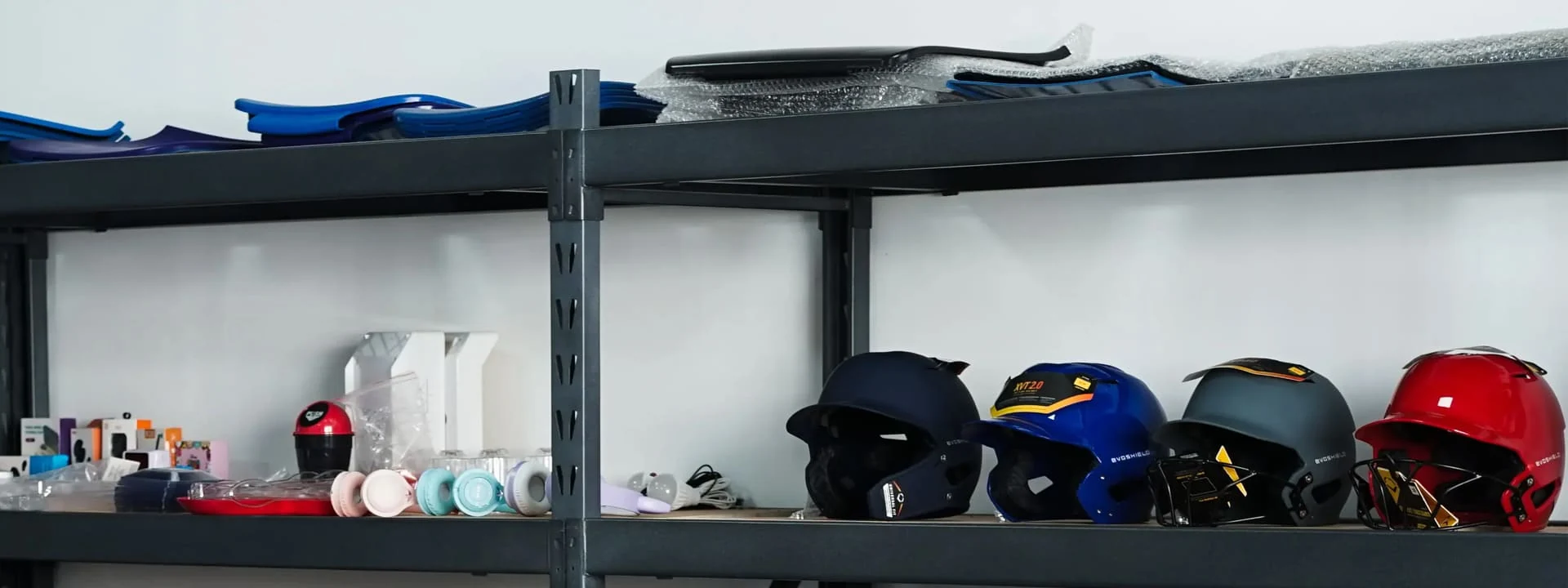
Fits: toy, household, holiday/gift, protective case and similar programs that need manual finishing and retail packing.
Comparison table
| Dimension | Thailand | Vietnam | Malaysia | Cambodia |
|---|---|---|---|---|
| Mold ecosystem | Strong automotive/electronics mold cluster | Larger local mold base than Cambodia | Growing precision mold and engineering base | Smaller precision mold base; complex molds imported |
| Tonnage and scale | Broad industrial base | Broad supply chain and scale | Strong electronics/medical supply chain | Everest lists 16 machines, 80T–1000T |
| Secondary operations | Mature local ecosystem | Mature in several sectors | Mature for electronics and medical | Everest performs assembly, painting and printing in-house |
| Audit evidence | Varies by factory | Varies by factory | Varies by factory | Sedex SMETA 4-Pillar and FCCA audit evidence |
| Best for | Automotive, electronics, local engineering | Scale, consumer goods, electronics, furniture | Medical, electronics, English-speaking teams | Labor-intensive assembly, China mold transfer, retail programs |
| Main limit | Higher cost; less manual assembly focus | Rising costs; high-volume requirements | Higher cost; medical competition | Imported materials; limited local mold iteration |
What project fits which country
- Automotive-level validation and local engineering: start with Thailand.
- High-volume consumer goods and a deeper local mold base: start with Vietnam.
- Medical devices or electronics with English-speaking project teams: start with Malaysia.
- Labor-intensive assembly, China mold transfer and retail compliance: evaluate Cambodia.
- Ultra-precision or very large multi-cavity molds: start with China, Thailand or Vietnam; Cambodia is not the first choice.
Cambodia's position and boundaries
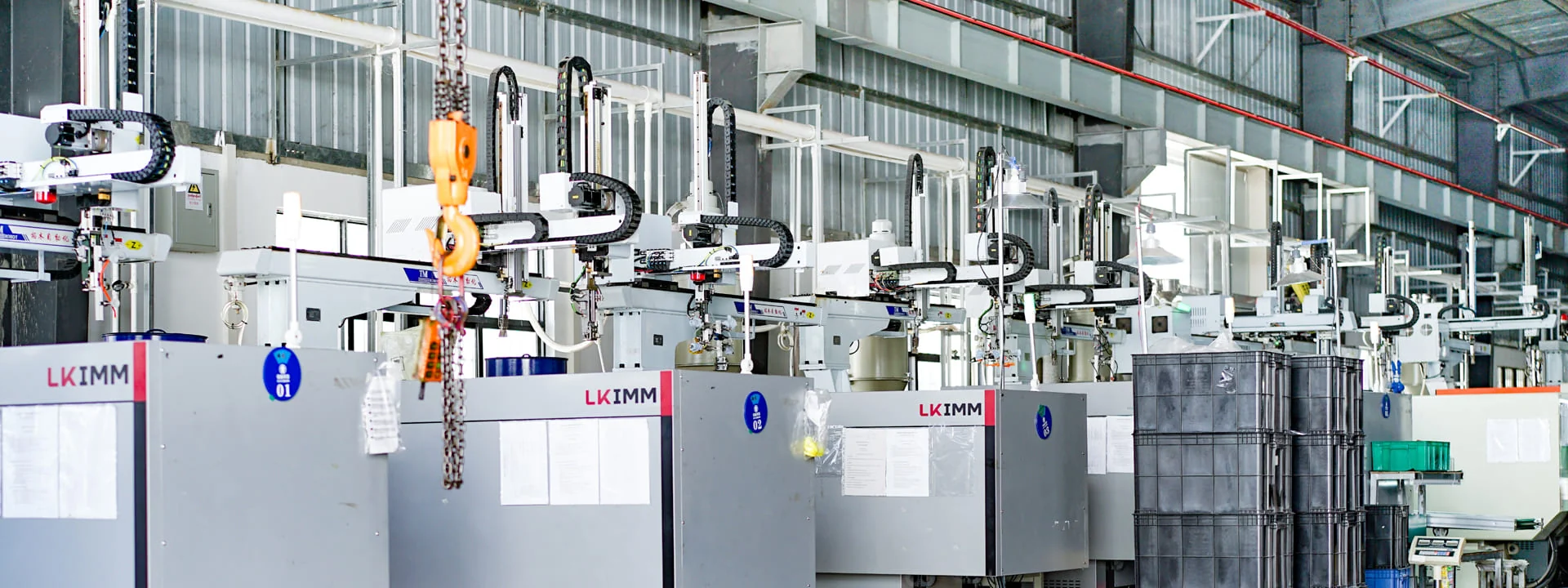
Everest Plastic Mold operates only in Cambodia. The factory lists 16 injection molding machines from 80T to 1000T, about 4,500 m² of production area and overall capacity of about 200,000 pieces per month. In-house operations include injection molding, assembly, spray painting, UV coating, rubber-oil soft-touch coating, pad printing, silk-screen printing, hot stamping and ultrasonic welding. China Tooling Support is provided from Shenzhen by our China company JR Plastic Mold, which has in-house mold manufacturing and large-volume injection molding capability.
Everest does not operate factories in Thailand, Vietnam, Malaysia, India, Bangladesh, Pakistan or Sri Lanka. The comparison above describes buyer scenarios; it is not a claim of local production in those countries.
Next step
Send the drawing, material, annual volume, current mold location and destination market. If the design is not complete, send product photos, intended use, approximate size and expected quantity so the engineering team can identify what is needed next. A formal quote requires a defined part and volume.
Related guides: Cambodia, Southeast Asia, Asia, Southeast Asia production base and China tooling + Cambodia production.
Frequently asked questions
Which country is best for injection molding: Thailand, Vietnam, Malaysia or Cambodia?
Does Everest have factories in all four countries?
Is Cambodia in South Asia?
What is Cambodia best for?
When should we not choose Cambodia?
Can Everest handle painting, printing and assembly?
What audits does Everest hold?
How do I compare quotes across these countries?
Review your country comparison
Send the drawing, material, annual volume and destination market.